

1987-2026
With profound sadness, we share the news of the unexpected passing of our colleague, Lauren Collins, MD, MSc, Associate Professor in the Division of Infectious Diseases (ID) and the Grady Health System’s Ponce de Leon Center. Dr. Collins began her career at Emory as an ID fellow in 2017. Through caring for patients in the hospital and at the Ponce Center, she formed deep and lasting relationships, which motivated her work. This commitment was beautifully reflected in her personal essay on the ongoing HIV epidemic in the South, published in the Annals of Internal Medicine while she was an ID fellow. As she transitioned to faculty in 2020, Dr. Collins published a series of landmark studies focused on understanding aging-related comorbidities – particularly among women – with the goal of mitigating their impact and promoting healthy aging in people with HIV.
Guided by her devotion to her patients, Dr. Collins founded the long-acting injectable antiretroviral program at the Ponce Center. In outlining her vision for the program, she bolded three words – equitable, interprofessional, collaborative – values that continue to define the program today and have helped it become a national model. Her research program grew and flourished as she sought to understand how the potential for transformation in care through injectable treatments could change the course of the HIV epidemic, especially for individuals for whom oral therapies had previously fallen short.
Within Emory’s RHYTHM research team and across a wide national network of collaborators, Dr. Collins was known as a remarkable scientist, clinician, and colleague. Her intellectual rigor, compassion, and deep commitment to advancing collaborative research leave a lasting impression on all who had the privilege of working alongside her. She was a beloved mentor for students, residents, fellows, and staff. Her impact as a mentor is palpable within our division, as she also generously guided many faculty members as they navigated their own early career years.
Beyond her professional accomplishments, Dr. Collins was deeply intentional about relationships and connection. This was most evident in her love for her family, who brought her immense joy and whom she spoke of often – always eager to share new stories and photos. She had a rare ability to make people feel seen and valued, finding joy in learning about others beyond work. For many, her warmth, humor, and unmistakable laugh – echoing through the halls – will be among our most cherished memories of her.
Dr. Collins will be remembered within the Ponce Center and across Emory for her extraordinary kindness, fierce devotion to her patients, advocacy for programs that served them, and her remarkable ability to bring people together. She was a shining light whose scientific contributions will have a lasting impact. She will be deeply missed.
1948-2024
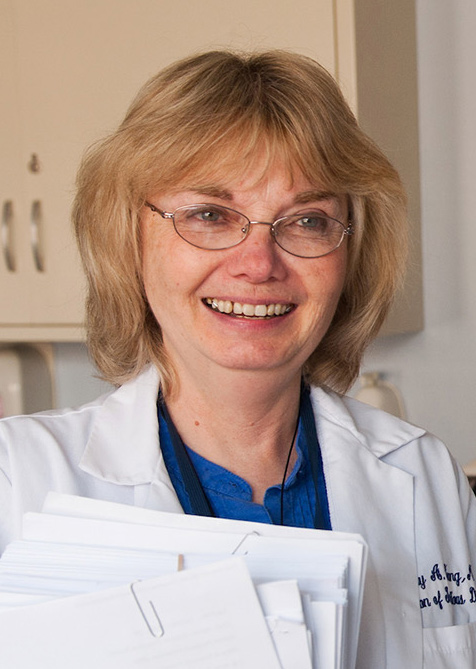
On the passing of Dr. Mary Agnes Young, much beloved member of the Georgetown University Division of Infectious Diseases and Tropical Medicine. After completing her undergraduate studies in English at the College of Notre Dame in Baltimore, and working briefly providing social services, Dr. Young completed her pre-medical coursework at Boston University. Dr. Young then graduated from the West Virginia University School of Medicine in 1984, and completed her residency and fellowship training in Internal Medicine (1987) and Infectious Diseases (1989) at Georgetown University Hospital. Dr. Young joined the faculty at Georgetown University in 1989 where she remained until her retirement in 2016.
Dr. Young’s early career was strongly influenced by the HIV pandemic and high number of persons with AIDS that were seeking care in DC hospitals in the period prior to the availability of antiretroviral therapy. Identifying the lack of specific research that focused on women, she led a city-wide multi-institutional effort to become a study site for the Women’s Interagency HIV Study (WIHS) in DC. Supported by colleagues from Howard University, Whitman Walker Clinic, Montgomery County in Maryland, and the Inova Juniper clinic in northern Virginia, Dr. Young successfully competed to bring to fruition a research portfolio focused on HIV and Women. She joined what would become a national network of friends and colleagues who shared her passion and conviction to improve the lives of women with HIV. With her tremendous collaborative spirit, Dr. Young contributed to research on the effects of HIV on women, all women. Her warmth and kindness pervaded the research environment that she developed, a caring place where women could come and be themselves, share their unfiltered stories without fear of judgement, and provide biologic samples. Her goal was not only to help us uncover the biologic effects of HIV, but also to highlight the role of social, behavioral, and structural constructs on important health and quality of life outcomes for women affected by HIV. She was able to see the rewards of the collective research efforts that led to scientific breakthroughs and life-saving therapies, as she steered her vibrant clinical practice in her role as Director of the HIV Women’s Program at Georgetown.
In addition to her pivotal role in the national WIHS study, Dr. Young supported research projects in the AIDS Clinical Trials Group in the study of the HPV vaccine among women with HIV, and as the Director for the Clinical Core of the DC Center For AIDS Research. Trusted by the local community, she served on the Board of Directors for the Women’s Collective, an advocacy group for DC women with HIV. Dr. Young was upheld as a woman of high integrity, and shared her wisdom and guidance as the Chair of the Georgetown Institutional Review Board, and as a volunteer on data safety and monitoring boards for NIH studies. She also served as a Medical Consultant to the Peace Corps and State Department in DC.
Dr. Young was a pillar of strength, and maintained amazing clarity and laser focus on what matters the most. Dr. Young was much loved by her patients, participants, the community of advocates who she worked with tirelessly in the early days of the pandemic, students, colleagues, fellow faculty members, and the many early-stage investigators whose careers she selflessly helped boost. We will remember and honor her for her kind and gentle ways, her love for family and friends, her commitment to remaining centered through meditation and mindfulness, her celebrations of her faiths, her humility and understanding of human frailties, unconditional support, and for being the consummate practitioner of rendering care with loving kindness.
1934-2024
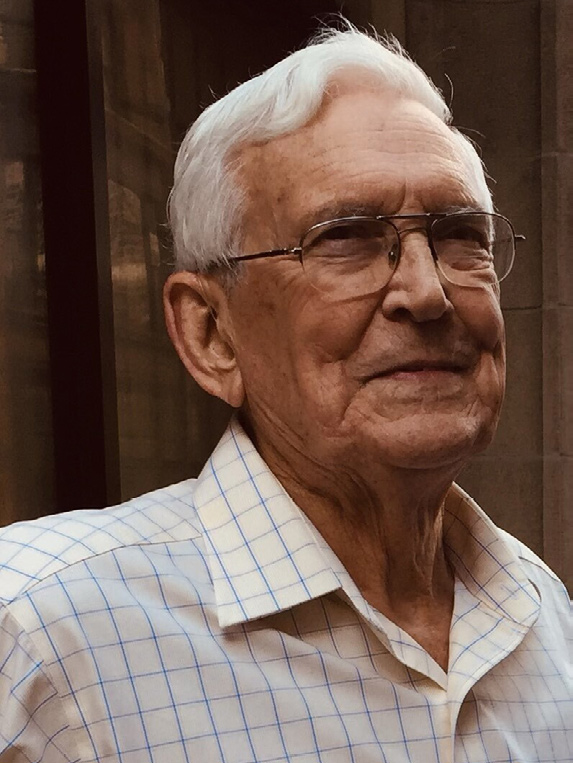
John Phair, MD was pioneering researcher and caregiver/clinician for persons living with HIV infection, He made numerous and significant contributions to the field of medicine throughout his career. Dr. Phair pursued his medical education at the University of Cincinnati and completed this residency and fellowship training at Yale University. He conducted groundbreaking research on the late effects of radiation among atomic bomb survivors in Hiroshima, Japan, from 1962 to 1964.
In 1984, under sponsorship of the NIH John Phair established the Multicenter AIDS Cohort Study,(MACS) along with colleagues from Johns Hopkins University, the University of Pittsburgh, and UCLA. The MACS was a groundbreaking study that explored the natural and treated history of HIV among men who have sex with men. From 1987 to 2012, Dr. Phair served as Chairman of the Executive Committee of the MACS during which time study made numerous seminal scientific contributions to the field of HIV research. As part of the current and ongoing MACS/WIHS Combined Cohort Study (MWCCS), the MACS celebrates its 40th year in 2024.
Dr. Phair also he established the Chicago AIDS Clinical Trials Unit in 1987, a component of the NIH funded consortium of thirty U.S. medical centers, termed the AIDS Clinical Trial Group which evaluated treatment of HIV infection and its complications. From 1992 to 1994 Dr. Phair was selected to lead the Executive Committee of this group. Later, from 2000 to 2002, he chaired the AIDS Research and Advisory Committee of the National Institute of Allergy and Infectious Disease. During his academic career, Dr. Phair authored more than 365 publications and 45 chapters in medical texts.
Dr. Phair’s dedication to research and patient care earned him numerous accolades, including the John Phillips Memorial Award for Outstanding Work in Clinical Medicine from the American College of Physicians in 2005 and the International AIDS Society—USA Lifetime Leadership Award in 2010. Upon his retirement, Northwestern University honored his legacy by establishing the John Philip Phair Professor of Infectious Diseases Chair.
In addition to his remarkable contributions to medicine, Dr. Phair was known for his warmth, humor, and compassion. His family and numerous colleagues fondly remember his unwavering commitment to his patients and his advocacy for dignity and compassion in healthcare.
Dr. Phair’s legacy extends far beyond his scientific achievements. He leaves behind a profound impact on the field of medicine and the countless lives he touched throughout his career.
1956-2024
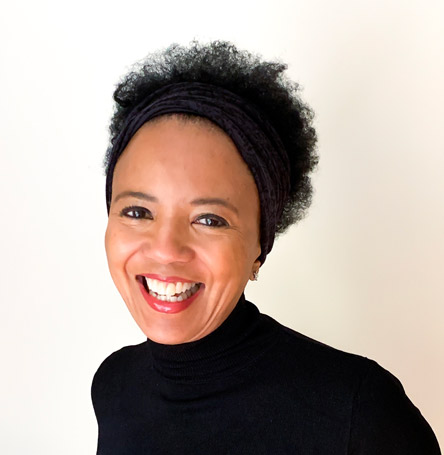
Dr. Adimora was a powerful and compassionate voice within the MACS/WIHS Combined Cohort Study (MWCCS) community. Ada was the Principal Investigator for the MWCCS clinical research site at UNC-Chapel Hill (WIHS 2013-2019, MWCCS 2019-2024) and served as co-Chair of the MWCCS Epidemiology Working Group, making highly impactful scientific contributions to the cohort. She fought tirelessly for social justice and highlighted health disparities among people living with HIV throughout her work as an accomplished HIV scientist and clinician. Her research was pivotal to the recognition of the impact of sexual network patterns, racial inequities, and structural determinants of health on HIV transmission.
Dr. Adimora was recognized nationally and internationally as a leader in her field and was appointed to the National Academy of Medicine in 2019. She was a treasured mentor to scores of trainees and junior faculty and served as a role model for many of us within the infectious disease and HIV research communities. We will miss her expertise, leadership, and friendship, while honoring her legacy moving forward. Our hearts and thoughts are with her family and her UNC team and colleagues.
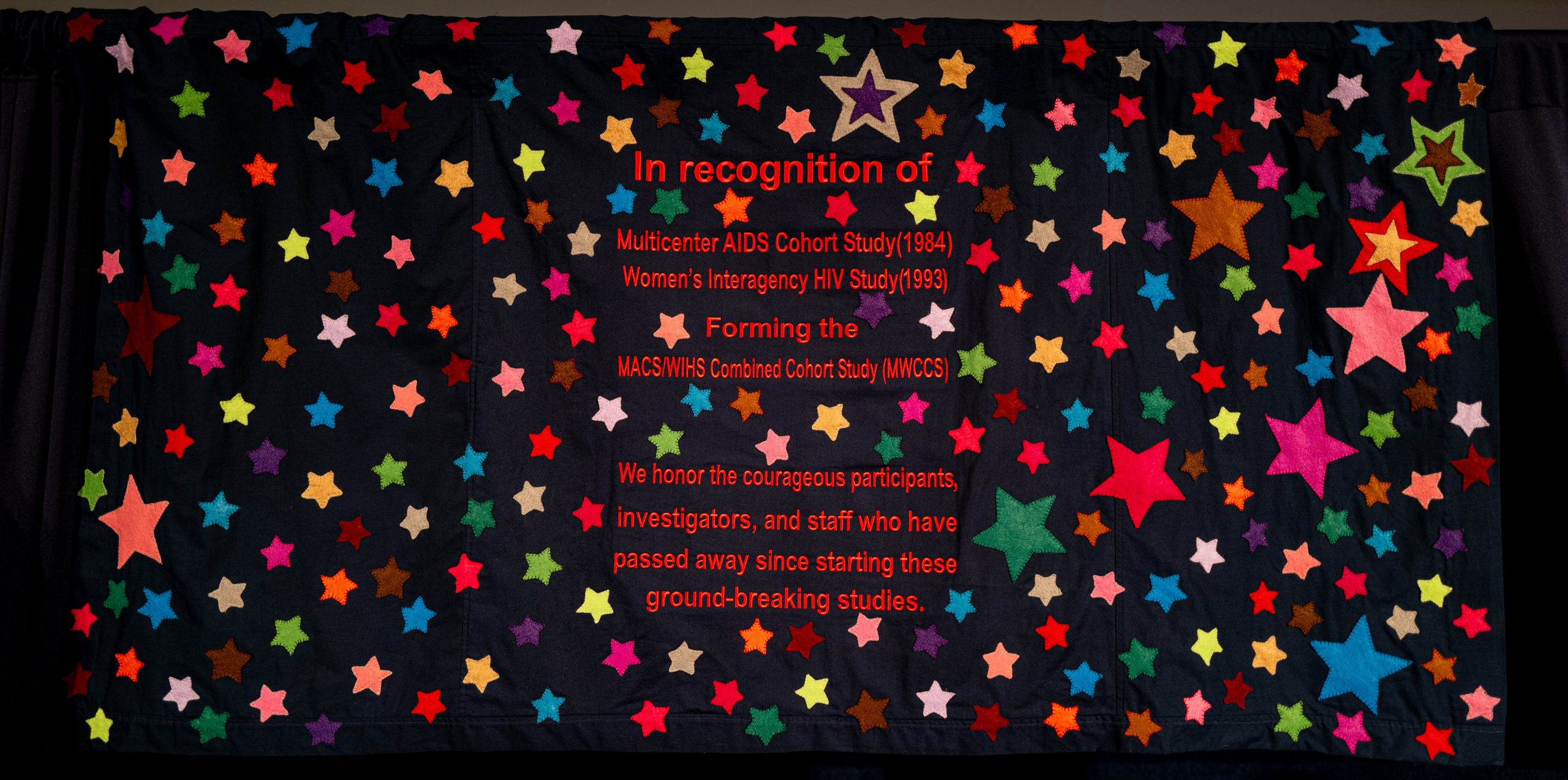
In 1983, gay men in the United States and around the world became aware of a devastating illness that seemed to only affect them. Originally referred to as the “gay cancer,” it shocked not only the gay community but also the medical and research communities. That year, the National Institutes of Health (NIH) funded the Multicenter AIDS Cohort Study (MACS), a groundbreaking medical research study to investigate and understand this growing health crisis, now known as the human immunodeficiency virus (HIV).
In 1993, the Women’s Interagency HIV Study (WIHS) was initiated in response to the realization that the HIV/AIDS crisis was not only affecting men but also gravely impacting women. The WIHS began to investigate the progression of HIV disease in women. Since 2019, the studies have been combined into the ongoing MACS-WIHS Combined Cohort Study (MWCCS).
Our participants have bravely contributed millions of hours to research this deadly disease. They donate their time, specimens, blood, body tissues, organ scans, ultrasounds, PAP smears, sleep studies, neuropsychological studies, and more, all for the betterment of research to combat this terrible disease. Science has learned a lot about HIV, leading to direct benefits for all people living with it. Our efforts as participants will continue until there is a cure and our services are no longer needed. This has been our commitment for the 40 years of this study.
Over 13,800 participants have been a part of this study since its beginning, and we honor the 2,262 participants who have passed during the study. Many lost their lives as they gave willingly to the unfolding of understanding. We march on in their memory because we must if there will ever be an end to this pandemic, that left in its wake dreams unfulfilled and so many missing their loved ones around them. As members of humanity, we can only make a difference. This is exactly what every study participant has chosen to do. They heeded the call to arms and put their boots to the ground. The world needs us, and we answered the call.
Our total MWCCS deaths include a significant number who did not die from HIV/AIDS.